


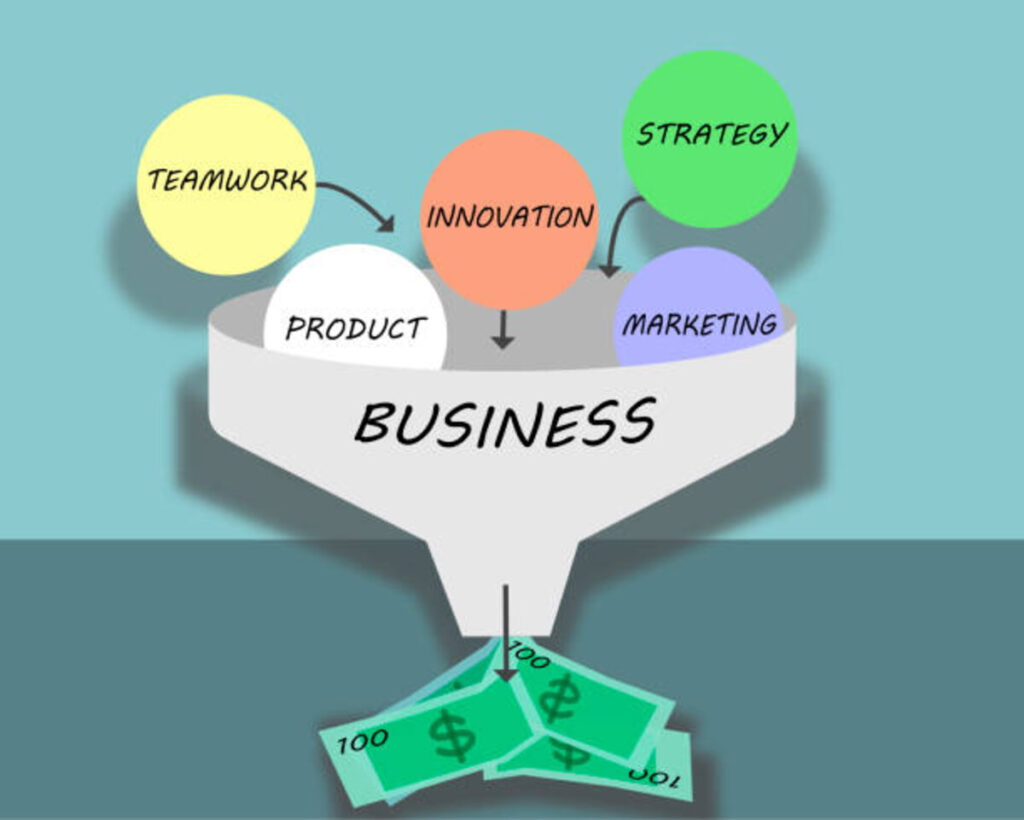
In the complex and ever-evolving landscape of business strategy, the Business Model Canvas (BMC) emerges as an indispensable tool, particularly in Malaysia’s dynamic market. This strategic management template allows businesses to visualize, design, and iterate their business models effectively. Here, we delve into the success stories of businesses in Malaysia that have leveraged the Business Model Canvas to unlock new avenues of growth and innovation. The best guide to finding Business Model Canvas Training Malaysia.
Understanding the potency of the Business Model Canvas requires a comprehensive grasp of its components—value propositions, customer segments, channels, customer relationships, revenue streams, key resources, key activities, key partnerships, and cost structure. Each element plays a pivotal role in articulating and refining a business’s strategic intent.
Each component of the BMC serves a unique purpose in shaping business strategy. The value proposition defines what makes the product or service unique and compelling to customers. Identifying customer segments is crucial for tailoring products and services to specific market needs. Channels focus on how businesses deliver their value proposition to customers effectively.
Customer relationships define the way businesses interact with their clientele, which can range from personal assistance to automated services. Revenue streams are the channels through which money flows into the business, and understanding these is essential for financial sustainability.
Key resources are the assets necessary to deliver the value proposition, while key activities are the essential actions a company must perform to operate successfully. Key partnerships highlight collaborations that can enhance business capabilities, and the cost structure outlines the financial framework of the business model.
In Malaysia, the adoption of the Business Model Canvas has been propelled by targeted training programs. These initiatives aim to equip entrepreneurs and business leaders with the skills to deploy the BMC effectively. Business Model Canvas Training in Malaysia offers a deep dive into the intricacies of the canvas, helping participants to tailor their business strategies with precision.
Training programs often include real-life case studies and interactive sessions where participants can work on their business models. These programs are not just theoretical; they provide hands-on experience in using the BMC to solve real business problems. By integrating local market insights, these trainings are particularly relevant to Malaysian businesses.
Networking is another crucial component of these training programs. Participants have the opportunity to connect with other entrepreneurs, sharing experiences and insights that can lead to collaborative ventures. This community-building aspect is invaluable for fostering a supportive ecosystem for innovation and growth in Malaysia.
Business strategy courses in Malaysia have played a crucial role in disseminating the principles of the Business Model Canvas. Such courses often incorporate practical workshops, enabling participants to apply theoretical concepts in real-world scenarios. This pedagogical approach fosters a deeper understanding and facilitates the translation of strategic insights into actionable business plans.
These courses are designed to cater to different learning styles, combining lectures, case studies, and group discussions. They often feature guest speakers who are industry leaders, providing insights into how the BMC has been applied successfully in various sectors. This real-world perspective enriches the learning experience, making it more relevant and impactful.
The courses also emphasize the importance of continuous iteration and feedback. Participants are encouraged to present their business models, receive feedback from peers and instructors, and refine their strategies accordingly. This iterative process is crucial for developing robust and adaptable business models.
Workshops dedicated to the Business Model Canvas serve as a catalyst for innovation. They provide a collaborative environment where ideas can be exchanged, scrutinized, and refined. In Malaysia, these workshops have become a breeding ground for entrepreneurial ideas, allowing businesses to pivot and adjust their models to align with market demands.
Workshops often involve brainstorming sessions where participants are encouraged to think outside the box and challenge existing assumptions. This creative process can lead to innovative solutions that were previously overlooked. The collaborative nature of these workshops also allows for diverse perspectives, which can enrich the ideation process.
Facilitators play a crucial role in guiding these workshops, helping participants to focus on key issues and ensuring that discussions remain productive. They also provide tools and frameworks that can be used to evaluate and prioritize ideas. This structured approach ensures that the outcomes of the workshops are actionable and aligned with business objectives.
The transformative impact of the Business Model Canvas is best illustrated through real-world success stories. In Malaysia, numerous enterprises have reaped the benefits of a well-executed BMC strategy.
An e-commerce startup in Kuala Lumpur faced challenges in scaling its operations and reaching a broader audience. By engaging in a Business Model Canvas workshop, the company identified new customer segments and optimized its distribution channels. The clarity provided by the BMC enabled the startup to enhance its value proposition, resulting in a significant increase in market share and revenue growth.
The startup initially struggled with a fragmented customer base, making it difficult to target marketing efforts effectively. Through the workshop, they identified niche segments that were underserved by competitors. This allowed them to tailor their marketing strategies and product offerings to meet the specific needs of these segments.
Additionally, the workshop highlighted inefficiencies in their existing distribution channels. By streamlining these channels and leveraging digital platforms, the company was able to reach a wider audience at a lower cost. This strategic shift not only improved operational efficiency but also enhanced customer satisfaction.
A century-old retail chain in Malaysia sought to reinvent itself in the face of digital disruption. Through Business Model Canvas Training in Malaysia, the company redefined its customer relationships and embraced digital channels. This strategic shift not only revitalized its brand but also improved its competitive stance in the retail sector.
The training sessions helped the retailer to understand the changing consumer landscape and the importance of digital engagement. By embracing e-commerce and social media platforms, the company was able to connect with a younger demographic that was previously inaccessible. This opened up new revenue streams and revitalized the brand’s image.
The retailer also focused on enhancing customer experiences in their physical stores, creating a seamless integration between online and offline channels. This omnichannel approach provided customers with more flexibility and convenience, further strengthening their loyalty to the brand.
A fintech company in Penang leveraged the Business Model Canvas to streamline its operations and refine its product offerings. By focusing on key partnerships and revenue streams, the company was able to introduce innovative financial solutions that catered to underserved segments. This strategic alignment facilitated rapid growth and solidified its position as a leader in the fintech space.
Initially, the company faced challenges in differentiating its offerings in a saturated market. The BMC workshop helped them to identify key partnerships with financial institutions that could enhance their service delivery. These partnerships provided access to new technologies and customer bases, allowing the company to expand its offerings.
The focus on underserved segments also led to the development of new products that addressed specific pain points, such as microloans for small businesses. This not only differentiated the company from its competitors but also created a loyal customer base that appreciated the tailored solutions.
The widespread adoption of the Business Model Canvas in Malaysia has cultivated a culture of strategic thinking and innovation. Organizations are now more adept at anticipating changes and adapting their business models accordingly. This agility is crucial in a global economy characterized by rapid technological advancements and shifting consumer preferences.
The Business Model Canvas has empowered organizations to become more resilient in the face of external changes. By regularly reviewing and updating their business models, companies can quickly respond to market shifts and new opportunities. This proactive approach reduces the risk of obsolescence and ensures long-term sustainability.
Organizations are also fostering a culture of continuous improvement, where employees at all levels are encouraged to contribute ideas for enhancing the business model. This inclusive approach not only taps into a wider pool of insights but also boosts employee engagement and morale.
The strategic clarity provided by the BMC allows companies to better understand their competitive landscape and identify unique value propositions. This insight is crucial for differentiating themselves from competitors and capturing a larger market share. By focusing on what sets them apart, Malaysian businesses can build strong brand identities and customer loyalty.
Furthermore, the BMC encourages companies to think beyond immediate gains and consider long-term strategic objectives. This forward-thinking mindset helps them to invest in innovation and R&D, ensuring that they remain at the forefront of their industries.
While the Business Model Canvas offers a robust framework, its implementation is not devoid of challenges. Businesses must navigate the complexities of aligning internal processes with strategic objectives. However, these challenges also present opportunities for growth and differentiation. By embracing a continuous learning mindset, Malaysian enterprises can leverage the BMC to sustain competitive advantage.
One common challenge is the tendency to become too focused on short-term goals, neglecting the broader strategic vision. Organizations must strike a balance between immediate results and long-term objectives to fully realize the benefits of the BMC. This requires a disciplined approach to strategic planning and execution.
Another challenge is the need for cross-functional collaboration, as the BMC spans various departments within a business. Effective communication and coordination are essential for ensuring that all elements of the business model align with the overarching strategy. This can be facilitated by fostering a culture of collaboration and open communication within the organization.
The success stories emerging from Malaysia underscore the transformative potential of the Business Model Canvas. As more organizations embrace this strategic tool, we can expect a proliferation of innovative business models that cater to the diverse needs of the Malaysian market.
In conclusion, the Business Model Canvas serves as a beacon of clarity and direction for businesses striving to innovate and thrive. Through rigorous training and collaborative workshops, Malaysian enterprises are well-positioned to capitalize on emerging opportunities and navigate the complexities of the modern business landscape.
The strategic insights gleaned from the Business Model Canvas are invaluable in fostering sustainable growth and fostering a culture of continuous improvement. As Malaysia continues to evolve as a hub of innovation, the Business Model Canvas will undoubtedly remain a cornerstone of strategic business planning.
As Malaysia continues to develop as a hub for technological innovation and entrepreneurship, the role of the Business Model Canvas will only become more pivotal. Businesses will need to continuously adapt to trends such as digitalization, sustainability, and globalization. The BMC provides a flexible framework that can accommodate these evolving needs, ensuring that companies remain competitive on a global scale.
The future of business model innovation in Malaysia will also depend on the strength of its entrepreneurial ecosystem. By fostering collaboration between startups, established companies, educational institutions, and government bodies, Malaysia can create a supportive environment for innovation. The Business Model Canvas will be an essential tool in facilitating this collaboration, enabling stakeholders to work together towards common goals.
Ultimately, the widespread adoption of the Business Model Canvas in Malaysia is contributing to a culture of innovation that permeates all levels of society. From entrepreneurs to policymakers, there is a growing recognition of the importance of strategic thinking and adaptability. As this culture continues to evolve, Malaysia is well-positioned to become a leader in business model innovation on the global stage.